
When Good People Disagree: Working Through Challenges in Community Organizations
- Jennifer Raddatz
- Jun 9
- 3 min read
At first glance, this may seem like an unusual topic for a marketing and communications website.
However, over the years I've worked with small businesses, community organizations, tourism committees, chambers of commerce, nonprofits, and volunteer groups.
One thing I've learned is that successful projects often depend just as much on people working together effectively as they do on budgets, marketing plans, or good ideas.
Strong communication, shared goals, and respectful collaboration can make the difference between a project that moves forward and one that struggles to gain momentum.
The lessons below come from observations I've made while working alongside organizations that care deeply about their communities and want to make a positive impact: That's a wonderful thing. Unfortunately, it can also create challenges.
Even when everyone is technically on the same team, some often brought different priorities, goals, and personal agendas to the table. While those priorities were usually well-intentioned, they sometimes made it difficult to move projects forward.
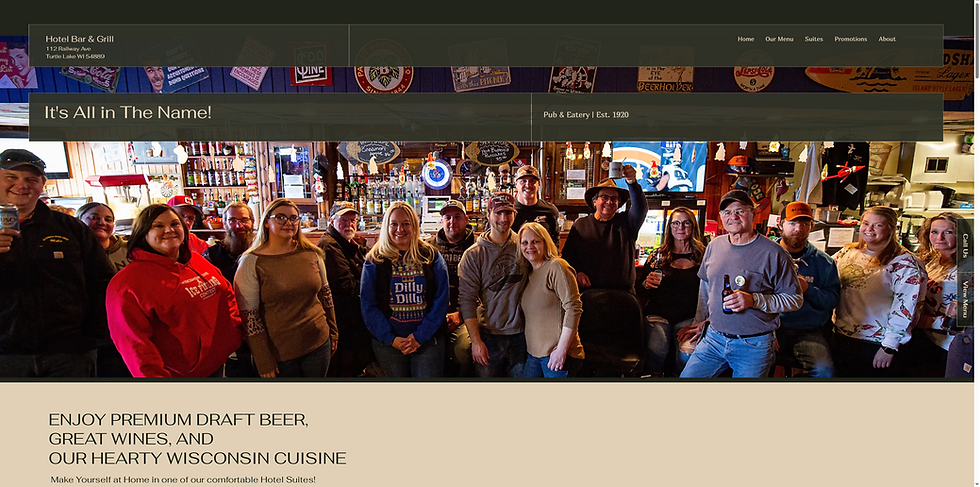
(Airbnb marketing image by Bright Iris Media LLC)

Remember the Shared Goal
When discussions become difficult, it helps to step back and ask:
"What are we trying to accomplish together?" "Do I have a personal agenda?"
Most people involved in community organizations genuinely want what's best for their town, event, business district, or organization. The challenge is that they may have very different ideas about how to get there.
Returning to the shared goal can help move conversations away from personal preferences and back toward productive solutions.
Address the Issue, Not the Person
One of the most important things I've learned is that it's rarely productive to make disagreements personal.
Instead of focusing on who suggested an idea, focus on the idea itself.
Ask questions such as:
How does this support our goal?
What are the benefits?
What are the challenges?
Is there another option we should consider?
Professional discussions tend to move forward more effectively when people focus on the issue rather than the individual.
Assume Positive Intent
This isn't always easy.
When meetings become frustrating, it's tempting to assume someone is being difficult simply for the sake of being difficult.
In my experience, most people are acting from a place of concern, passion, or personal investment.
That doesn't mean they're always right, but assuming positive intent often helps reduce tension and keeps conversations more productive.
(Airbnb marketing image by Bright Iris Media LLC)

Sometimes Outside Help Is Valuable
There are situations where a neutral third party can be extremely helpful.
Facilitators, mediators, consultants, or community development professionals can help groups navigate difficult conversations and keep discussions focused on solutions rather than personalities.
Sometimes an outside perspective helps people hear ideas differently than they would from someone within the group.
Keep It Professional
Community organizations often include friends, neighbors, business owners, elected officials, and volunteers.
That can make disagreements feel personal.
The most successful groups I've observed are the ones that maintain professionalism, even when opinions differ.
People don't have to agree on everything to work together effectively.
Final Thoughts
Communities benefit from people who care enough to get involved.
Disagreements will happen. Different priorities will exist. Strong personalities will occasionally collide.
The goal isn't to eliminate disagreement.
The goal is to create an environment where people can discuss challenges openly, stay focused on shared goals, and continue moving forward together.
When that happens, communities are often able to accomplish far more than any one individual could achieve alone.
Additional Resources
If your organization is struggling with conflict, communication challenges, or competing priorities, these resources may be helpful:
Crucial Conversations: Tools for Talking When Stakes Are High
This is one of the most frequently recommended books on communication and difficult conversations. It offers practical tools for discussing sensitive topics while maintaining respect and keeping conversations productive. Crucial Learning
National Conflict Resolution Center (NCRC)Provides training, mediation services, and educational resources focused on communication, collaboration, and conflict resolution within organizations and communities. National Conflict Resolution Center
Local Mediation and Facilitation Services
For organizations facing significant challenges, a neutral facilitator or mediator can often help guide discussions, improve communication, and keep groups focused on shared goals. Many communities have local mediation centers, university extension programs, or consultants who specialize in group facilitation and conflict resolution.
One final thought: disagreement isn't always a sign that something is wrong. In fact, some of the strongest organizations include people with different viewpoints. The key is creating an environment where those viewpoints can be discussed professionally, respectfully, and with the organization's mission at the center of the conversation.


Comments